
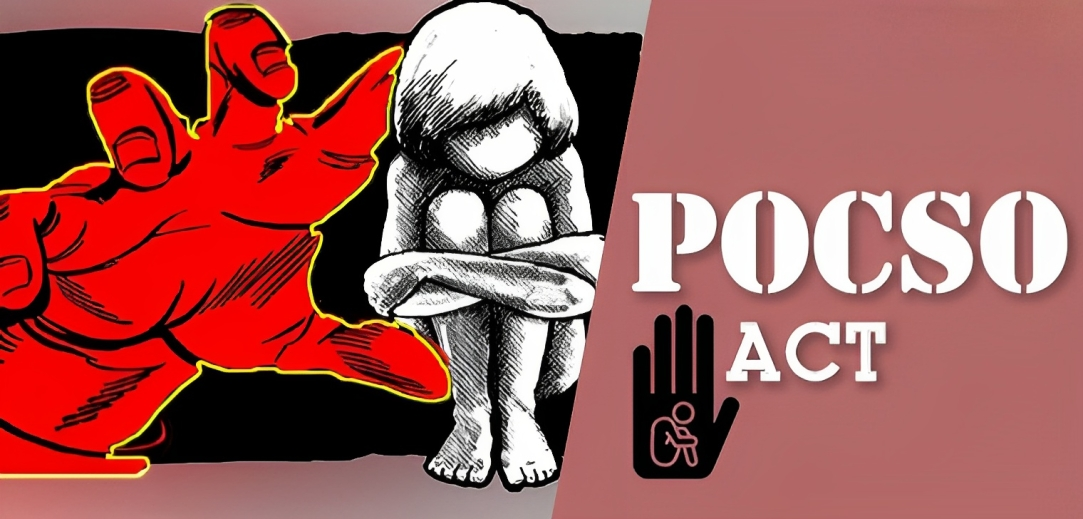
Safeguarding Innocence: Understanding the POCSO Act
Child safety is a fundamental societal responsibility. In India, the Protection of Children from Sexual Offences (POCSO) Act, 2012 provides a robust legal framework to protect children from sexual abuse, exploitation, and harassment. The Act ensures stringent measures for prevention, timely reporting, and effective prosecution of offences against minors.
Understanding the POCSO Act
The POCSO Act was enacted to address the sexual abuse of children below 18 years. It is gender-neutral and covers all forms of sexual offences, including:
-
Penetrative sexual assault
-
Sexual harassment
-
Child pornography
-
Exploitation through trafficking
The Act emphasizes child-friendly procedures, speedy trial, and protection of the child’s dignity throughout the legal process.
Key Provisions
-
Mandatory Reporting: Any person who knows of sexual offences against a child must report it to authorities. Failure to do so is punishable by law.
-
Special Courts: Designated POCSO courts ensure fast-track trials to reduce trauma and ensure justice for the victim.
-
Presumption of Guilt: The Act places responsibility on the accused to prove innocence, easing the burden on the victim.
-
Child-Friendly Procedures: The Act mandates recording of statements in a safe environment, avoiding repeated questioning, and protecting the child’s identity.
-
Strict Punishments: Penalties include imprisonment ranging from 7 years to life, fines, and rigorous legal action depending on the severity of the offence.
Impact on Society
The POCSO Act has strengthened child protection mechanisms and increased public awareness about sexual offences against minors. By enforcing strict legal consequences, the Act:
-
Deters potential offenders
-
Encourages timely reporting of abuse
-
Provides a sense of security and justice for children and families
-
Promotes child rights and legal literacy
Challenges and Awareness
While the Act is robust, effective implementation requires:
-
Widespread awareness among parents, teachers, and communities
-
Training for law enforcement to handle cases sensitively
-
Support systems such as counselling, rehabilitation, and legal aid for victims
Conclusion
The POCSO Act is a vital legal instrument designed to safeguard the innocence of children and uphold their fundamental rights. By understanding the provisions of the Act and promoting vigilance, society can ensure a safe environment for children to grow, learn, and thrive. Legal protection, combined with awareness and support, forms the cornerstone of a child-friendly society.
In protecting children today, we secure a safer and more just tomorrow.